[Sense] Scape
January. 2025
PhD Research Project
Sense-scape
is a design tool that investigates the interplay between architecture, sensory
perception, and storytelling, rooted in contemporary theoretical discourses. It
builds upon Jacques Rancière’s concept of the distribution of the sensible,
examining how architecture structures sensory hierarchies that dictate
inclusion and exclusion within spatial and social frameworks. Maurice
Merleau-Ponty’s phenomenology of perception provides a critical lens,
emphasizing the body’s centrality in spatial experience and the relational
dynamics between sensory stimuli and perception. Additionally, Derrida’s
notions of absence and presence inform the game’s exploration of spatial
thresholds, while Deleuze’s Logic of Sensation shapes its focus on affective
atmospheres and the reconfiguration of sensory interactions. The game
reinterprets the lexicon as a dynamic, multisensory methodology. Unlike
traditional lexical tools, Sense-scape introduces a sound dictionary composed
of auditory fragments and a texture dictionary encompassing diverse tactile
materials, enabling players to engage with spaces through hybrid sensory
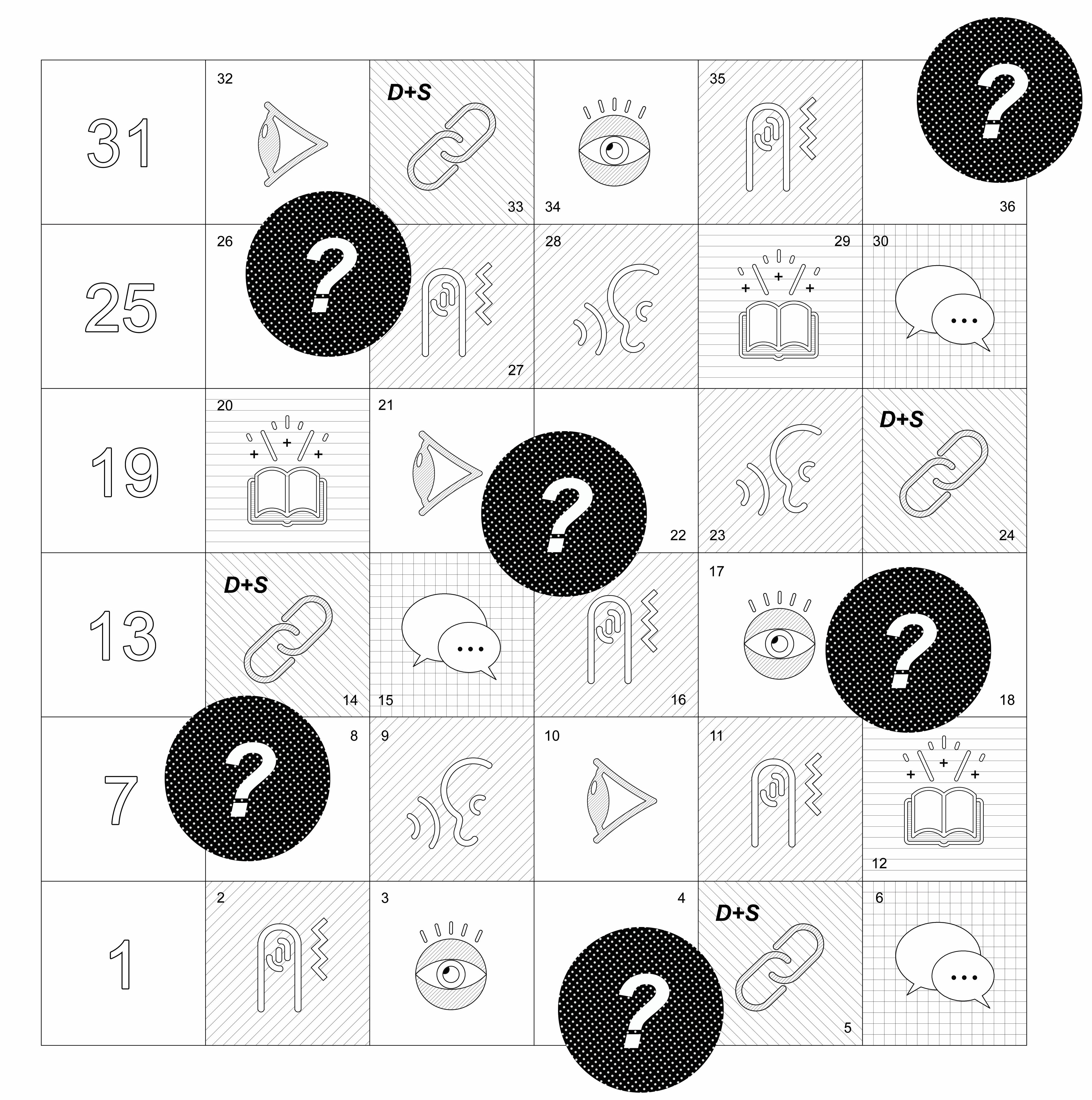
experiences. Players navigate a game board that represents six urban fragments
of Istanbul, each chosen for its historical, cultural, and sensory richness. As
they encounter commands like selecting texture or sound cards, telling stories,
or responding to questions, participants are prompted to create layered,
embodied narratives that reveal the aesthetic, tectonic, and political
dimensions of architecture. The fiction of the game integrates these
theoretical frameworks into a participatory, collaborative experience. It
encourages players to reflect on architecture’s role in mediating sensory
relationships and reimagining the boundaries of perception. By combining
sensory engagement with storytelling, Sense-scape transforms familiar spaces
into sites of critical inquiry, enabling players to uncover hidden layers of
meaning and challenge conventional architectural narratives. This project
exemplifies a transformative approach to design research, bridging theory and
practice to explore architecture’s capacity to shape human experience in
profound, multisensory ways.
![]()
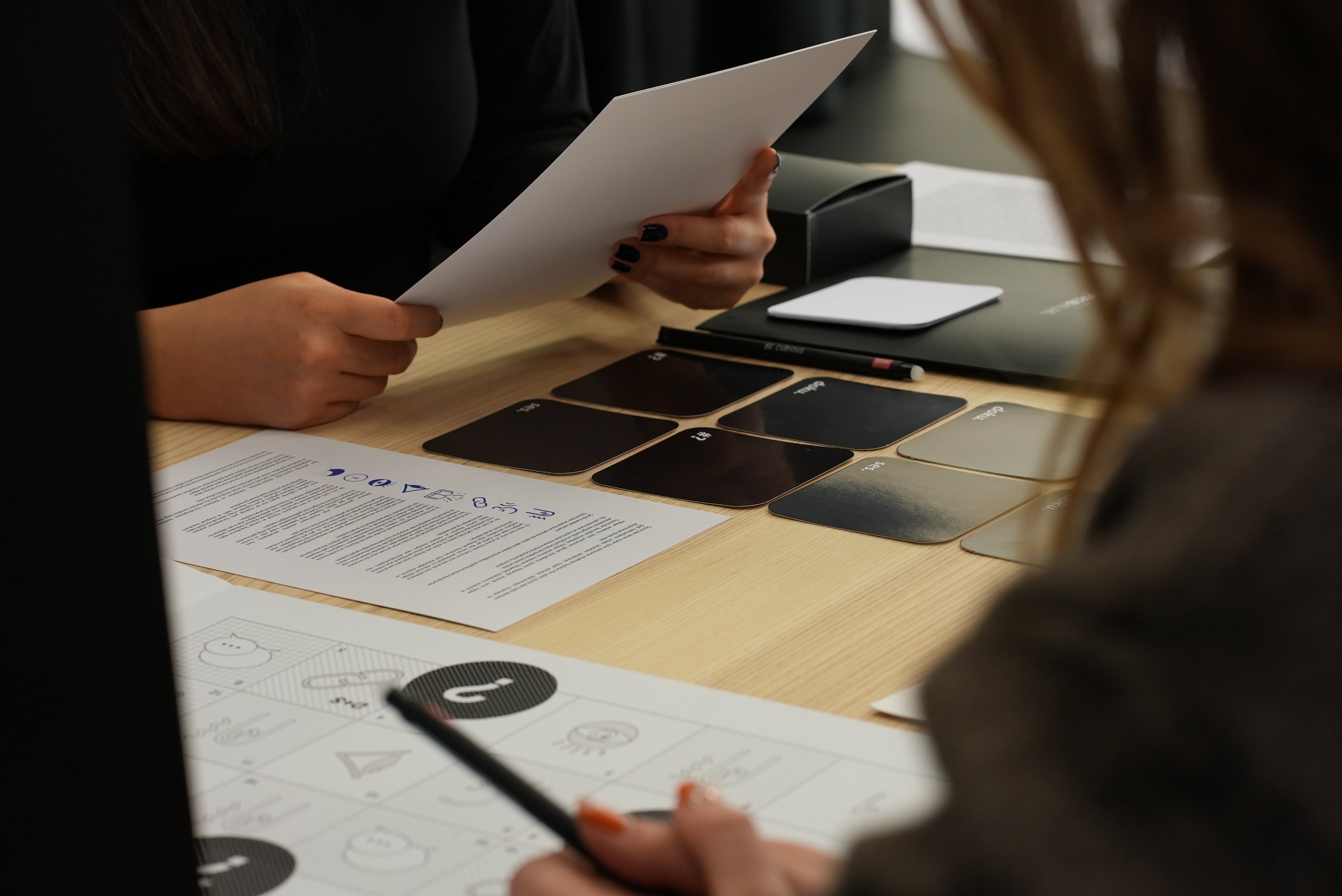
Figure 1.
A glimpse of the game, a moment of discussion.
![]()
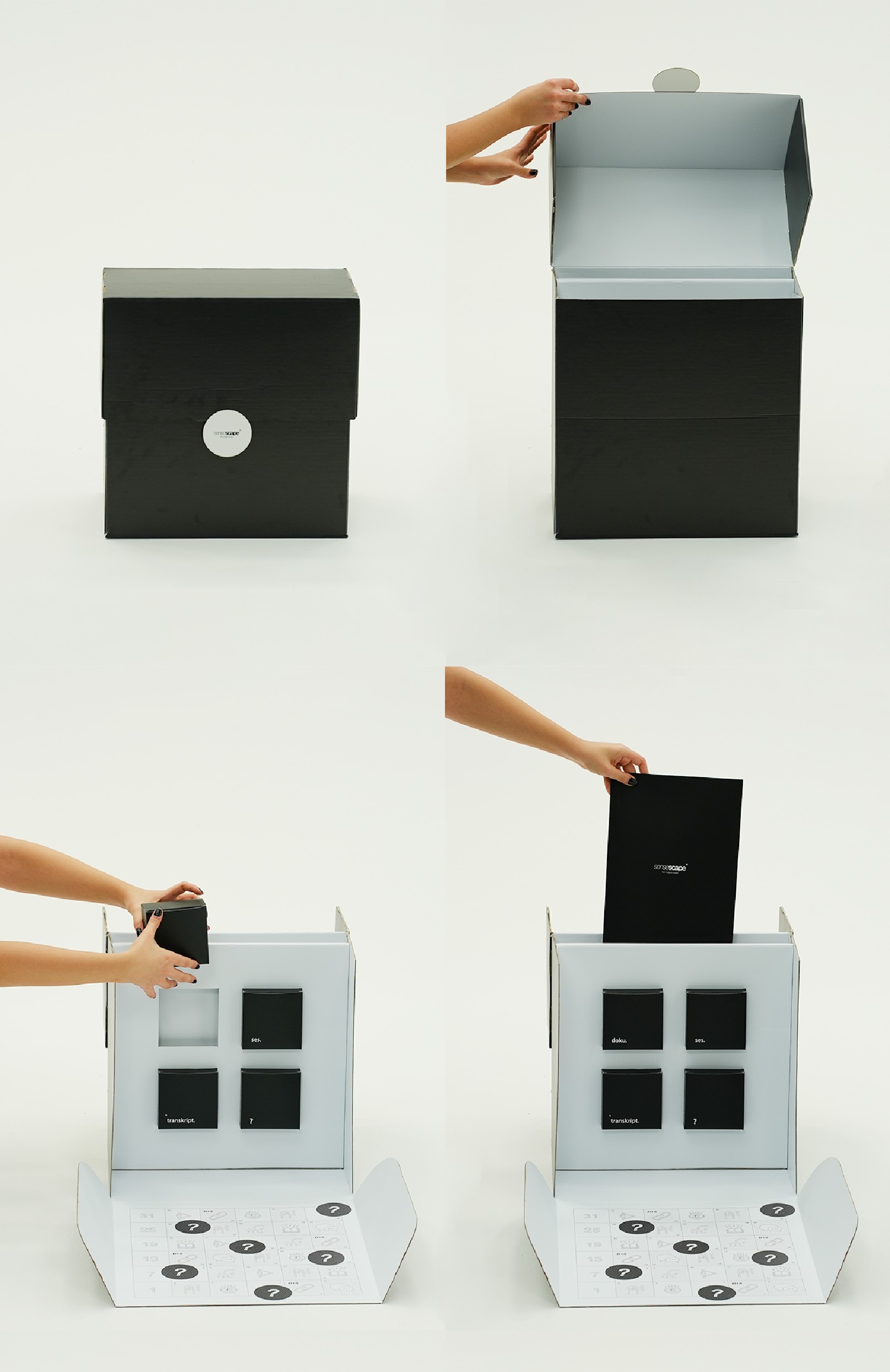
Figure 2. Game box.
![]()
Figure 3.
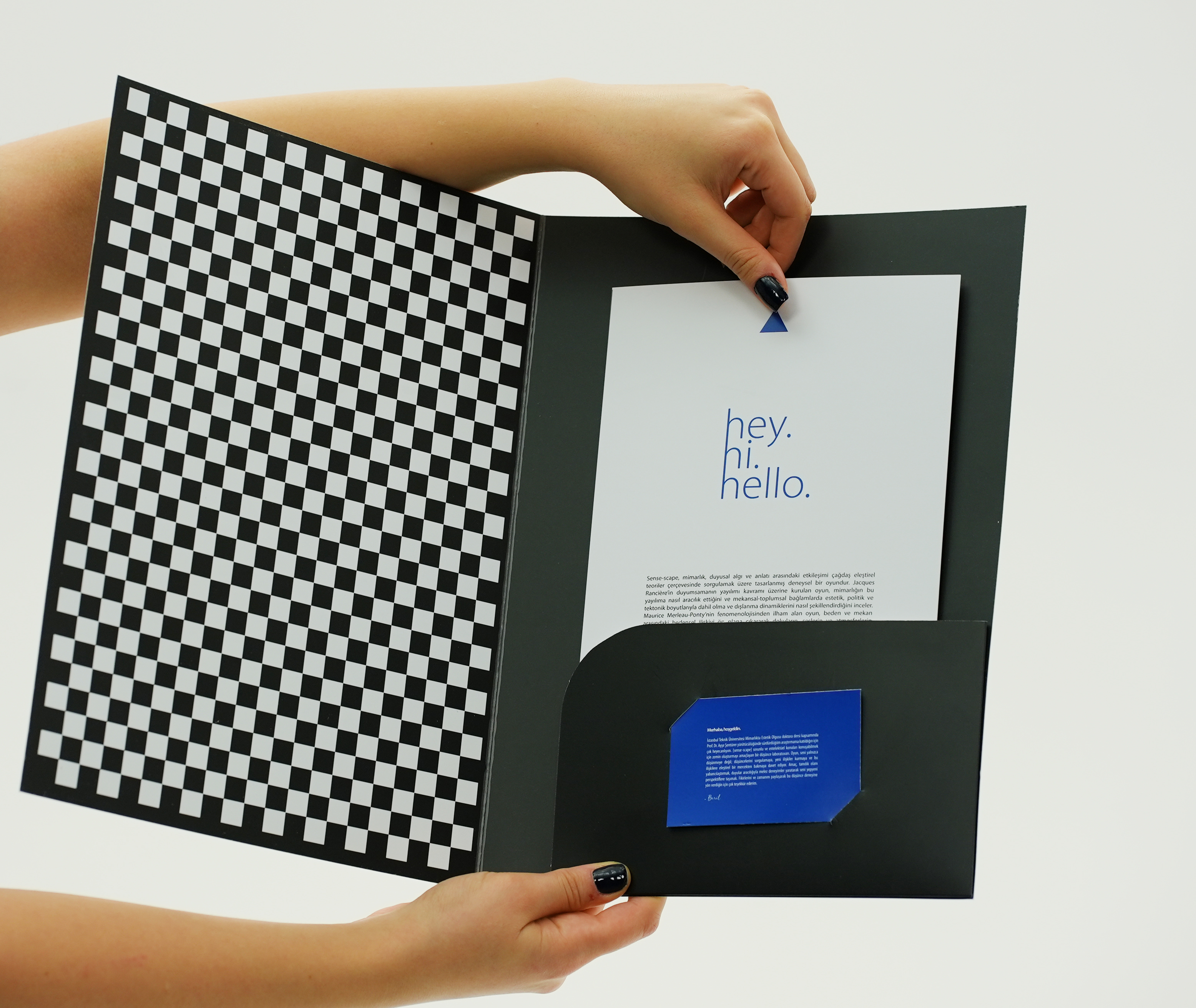
Game instruction manual.
![]()
Figure 4. Game board.
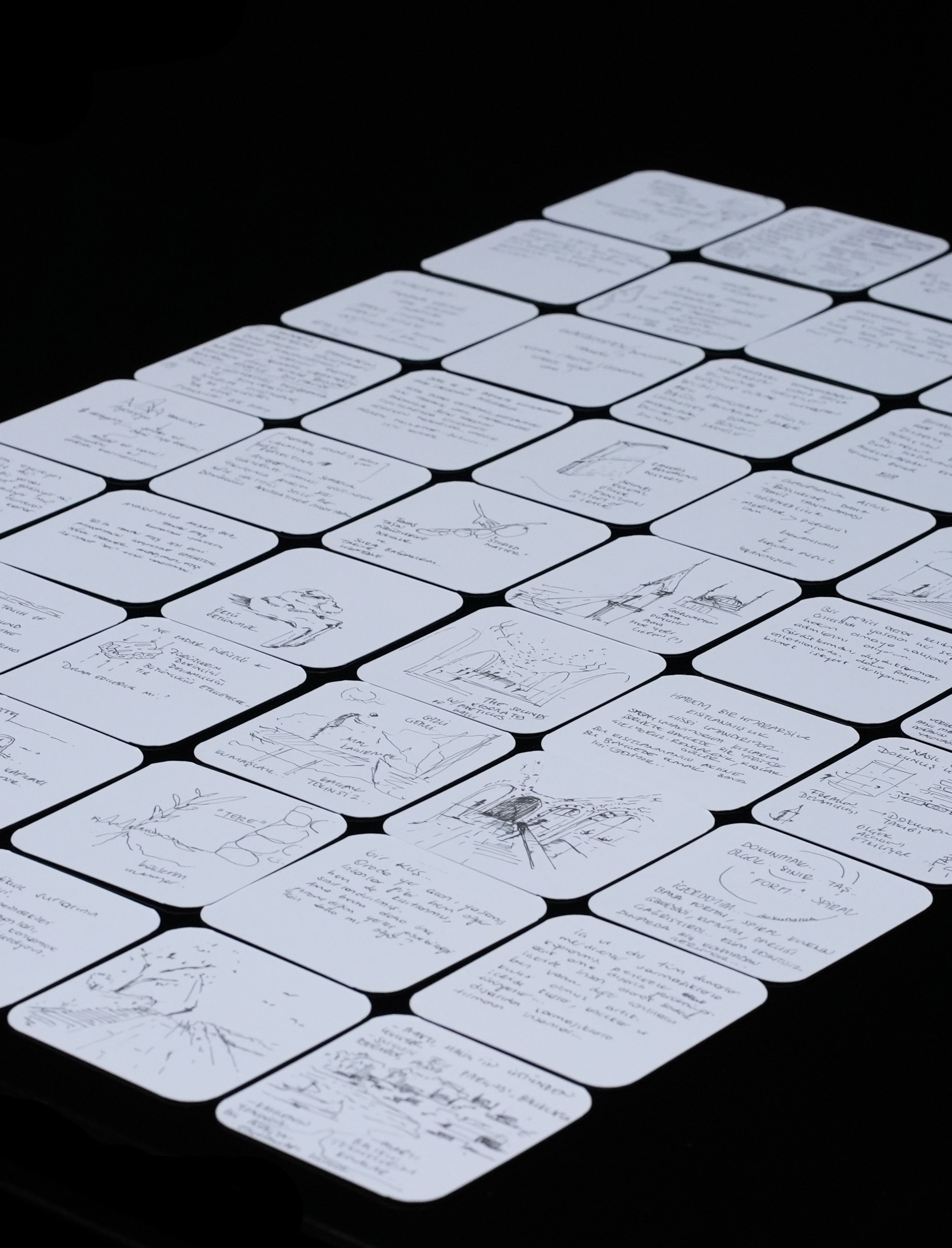
![]()
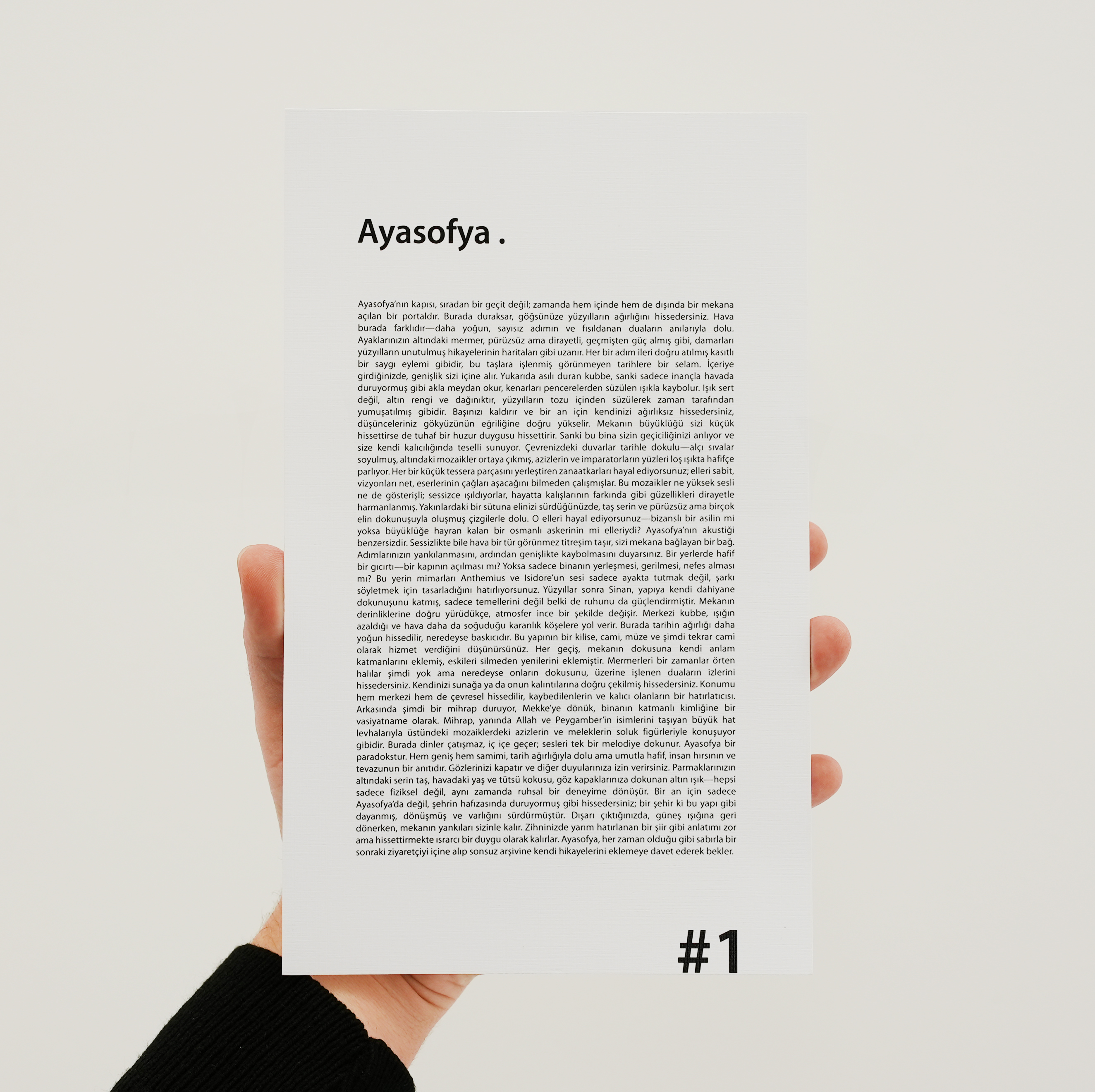
Figure 5. Story cards.
![]()
Figure 6. Sound, texture, question, and transcript cards.
![]()
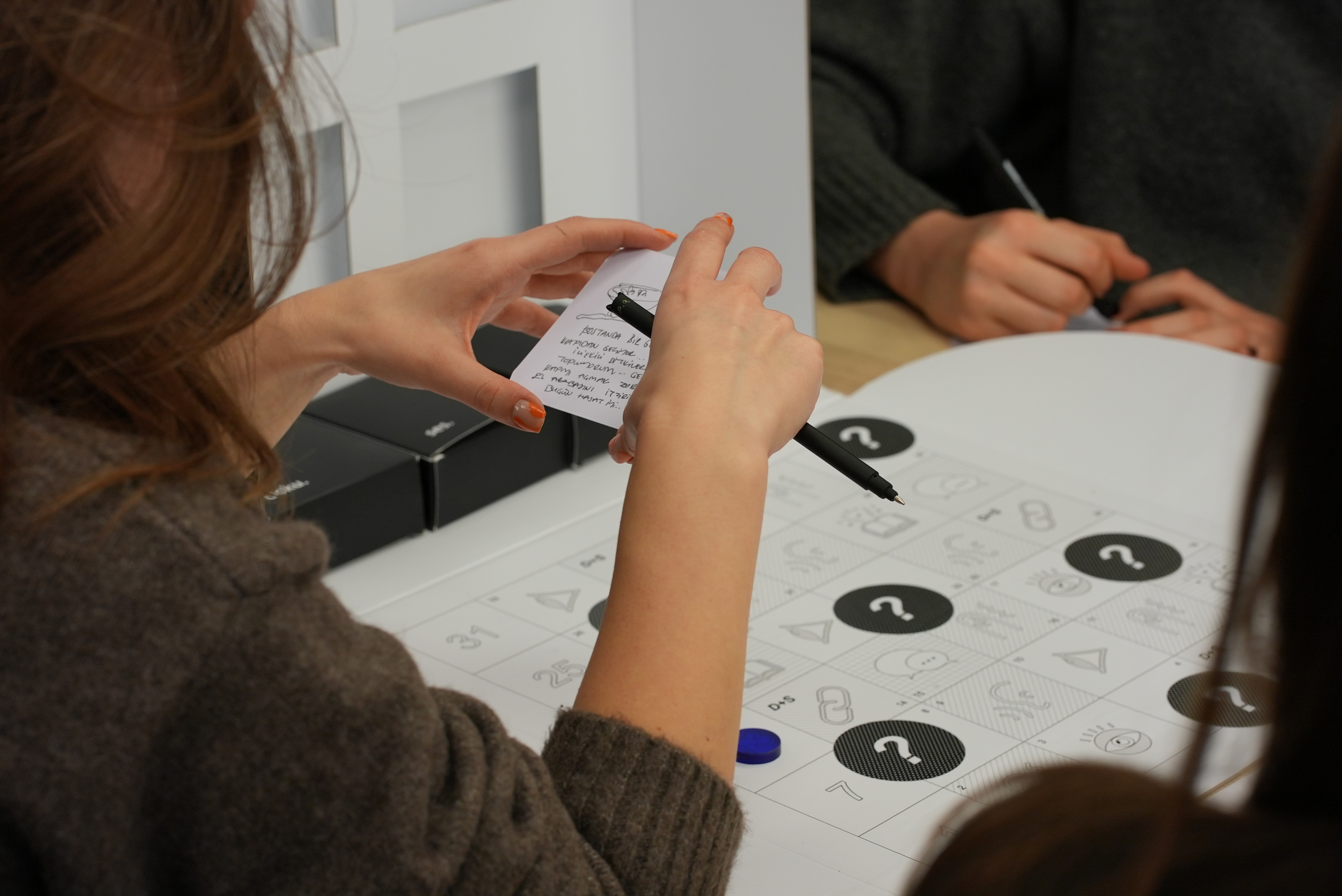
Figure 7.
A glimpse of the game, a moment of storytelling.
![]()
Figure 8.
A glimpse of the game, a moment of reflection.
![]()
Figure 9.
Transcriptsare generated after each step in the game.